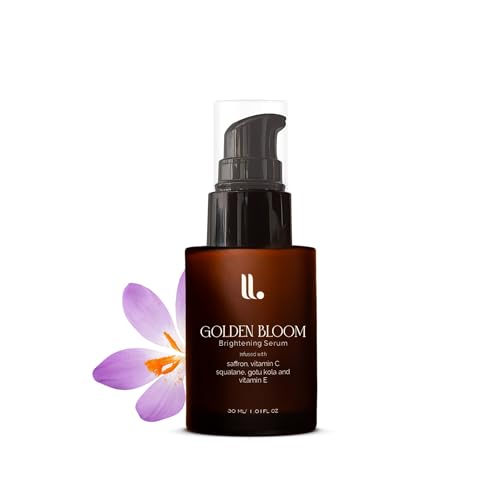
Cosmetic serums have become a staple in skincare routines worldwide, promising everything from hydration to anti-aging benefits. But what exactly are these potent elixirs, and how do they differ from one another? Let’s dive into the world of cosmetic serums and explore their classification and key characteristics.
What is a Serum?
A serum is a skincare product that delivers concentrated active ingredients directly to the skin. Unlike creams and lotions, serums are typically lightweight and formulated with smaller molecules, allowing them to penetrate deeper into the skin layers. This makes them highly effective in addressing specific skin concerns.
Classification of Cosmetic Serums
Cosmetic serums can be classified based on their primary function and the key ingredients they contain. Here are some of the most common types:
- Description: These serums are designed to boost the skin’s moisture levels. They often contain humectants like hyaluronic acid and glycerin that attract and retain water.
- Key Ingredients: Hyaluronic acid, glycerin, aloe vera, panthenol.
- Description: Anti-aging serums target signs of aging such as fine lines, wrinkles, and loss of elasticity. They usually contain ingredients that stimulate collagen production and promote cell turnover.
- Key Ingredients: Retinol, peptides, vitamin C, hyaluronic acid.
- Description: These serums aim to even out skin tone and reduce the appearance of dark spots and hyperpigmentation. They contain ingredients that inhibit melanin production and exfoliate the skin.
- Key Ingredients: Vitamin C, niacinamide, alpha arbutin, licorice extract.
- Description: Exfoliating serums help to remove dead skin cells and promote a smoother, more radiant complexion. They often contain chemical exfoliants that dissolve the bonds between dead cells.
- Key Ingredients: Alpha hydroxy acids (AHAs), beta hydroxy acids (BHAs), lactic acid, glycolic acid.
- Description: Antioxidant serums protect the skin from free radical damage caused by environmental factors such as UV rays and pollution. They help to prevent premature aging and maintain skin health.
- Key Ingredients: Vitamin C, vitamin E, ferulic acid, green tea extract.
- Description: These serums are formulated to soothe and calm irritated or sensitive skin. They often contain anti-inflammatory and barrier-repairing ingredients.
- Key Ingredients: Centella asiatica, chamomile extract, allantoin, niacinamide.
How to Choose the Right Serum
When selecting a serum, it’s important to consider your skin type and specific concerns. For instance:
- Dry Skin: Opt for hydrating serums with hyaluronic acid.
- Oily/Acne-Prone Skin: Look for exfoliating or calming serums with BHAs and niacinamide.
- Aging Skin: Choose anti-aging serums with retinol and peptides.
- Hyperpigmented Skin: Brightening serums with vitamin C and alpha arbutin can be beneficial.
Conclusion
Cosmetic serums are powerful tools in achieving healthy, glowing skin. By understanding the different types and their key ingredients, you can make informed choices that cater to your unique skin needs. Whether you’re looking to hydrate, brighten, or combat signs of aging, there’s a serum out there for you.
- Cosmetic serums
- Skincare serums
- Serum classification
- Hydrating serums
- Anti-aging serums
- Brightening serums
- Exfoliating serums
- Antioxidant serums
- Calming serums
- Best serums for dry skin
- Serums for oily skin
- Serums for aging skin
- Hyperpigmentation serums
- Skincare routine
- Active ingredients in serums
- Serum benefits
- Skin hydration
- Anti-aging skincare
- Skin brightening products